



What Are the Main Differences Between Buying and Renting?
Buying a home means owning the property, which gives the owner full control and responsibility. Renting means paying to use a property owned by someone else, often with more flexibility but less long-term certainty.
Typically, homeowners in Shiloh handle their own repairs, property taxes, and insurance, while renters rely on a landlord for maintenance and pay only their agreed monthly rent plus utilities. This foundational difference influences everything from monthly budgeting to future planning.
Why Do Some Shiloh Residents Choose to Buy a Home?
Many area households purchase homes to build equity, enjoy stable housing payments, and personalize their living space. Ownership lets people invest in their future rather than spending money on rent, which is not recoverable.
Homeowners also gain the ability to:
- Make major renovations or improvements without permission
- Avoid sudden moves caused by a landlord’s decisions
- Predict monthly costs if using a fixed-rate mortgage
A common misconception is that buying always costs less than renting over time. However, upfront costs (like down payments and closing fees), property taxes, repairs, and seasonal maintenance often add up, so it's best to compare long-term expenses honestly.
What Are the Key Benefits of Renting in the Community?
Renting appeals to some Shiloh residents because it requires less initial investment and allows for greater flexibility. There’s no need to commit to a long-term mortgage or worry about local market changes affecting the value of the property.
Renters typically benefit from:
- Lower upfront costs—usually just first month’s rent and a security deposit
- No responsibility for major repairs or structural issues
- Flexibility to relocate after the lease period
- Fewer concerns about property taxes or seasonal maintenance
Renting is often the more practical choice for those uncertain about their plans, needing time to save for a down payment, or facing personal circumstances that make long-term commitment challenging.
How Do Monthly Costs Compare?
Monthly costs for homeowners and renters differ in important ways. A mortgage payment in the region might seem similar to local rents, but homeowners also pay real estate taxes, homeowners insurance, and regular upkeep expenses.
For example:
- Renters: Pay monthly rent, fees for utilities, and renter’s insurance (if required)
- Buyers: Pay monthly mortgage, property taxes, homeowner’s insurance, plus savings for repairs and replacements (such as a new roof or furnace if needed)
Some may overlook occasional or seasonal expenses unique to homeownership—like gutter cleaning after autumn leaf drop, or repair costs after high winds. Budgeting for these realities is essential.
Can Homeownership Build Wealth Over Time?
Owning a home often means building equity through mortgage payments and potential appreciation of the property’s value. This can become a significant source of financial security or help fund a future move.
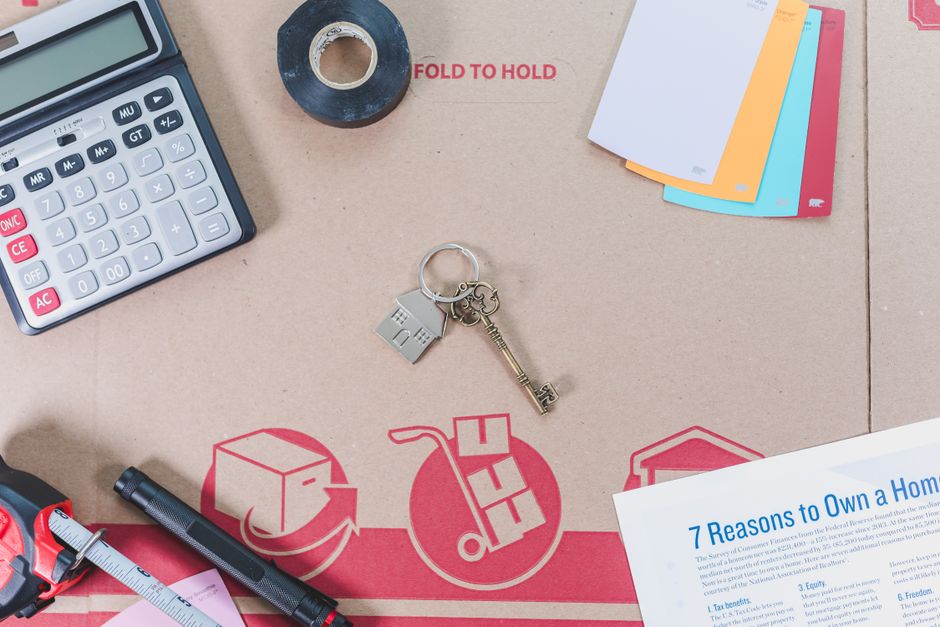
Historically, homes in stable areas tend to increase in value over the long term, but this is not guaranteed. Local market conditions—and personal investment in home care—play a substantial role. Residents who treat homes with care and invest in necessary maintenance are most likely to see a return.
What Flexibility Is There with Renting Versus Owning?
Renting offers more flexibility for those who might need to move for work, education, or personal reasons. Ending a lease is usually simpler—and less expensive—than selling a home. Owning, by contrast, typically ties residents more closely to the area. While some people value this stability, others prefer the lighter commitment of renting, especially during major life transitions or periods of uncertainty.
How Do Repairs and Long-Term Maintenance Responsibilities Differ?
Homeowners in the area take on all repairs, yard work, and maintenance themselves or arrange for services as needed. This means planning ahead for costs that arrive unpredictably, such as a leaky water heater or a failing air conditioner in the middle of summer. Renters, on the other hand, call their landlord or property manager for most repairs. This can save both time and surprise expenses, although response times and coverage can vary between properties.
What Should Residents Consider Before Deciding?
Local residents often weigh factors like budget, career plans, household size, and the desire for flexibility. The local climate—with its warm summers and cold winters—also affects property upkeep needs and associated costs. Consider the following practical questions:
- How long is the planned stay in the city?
- Does the household have savings to handle home repairs?
- Is having a pet, garden, or the ability to renovate a priority?
- How much predictability is needed in monthly expenses?
There’s also an emotional component: Some feel greater pride and stability in owning, while others value the peace of mind that comes with renting and leaving complex issues to someone else.
What Are Common Misconceptions About Buying and Renting?
It’s commonly thought that buying is always better financially or more “adult” than renting. In reality, the right choice depends on personal circumstances, lifestyle, and local housing trends.
Some people also overestimate how easy it is to sell a home if they need to move quickly, or underestimate the effort needed for ongoing repairs and maintenance. Careful consideration and research are essential for making a decision that truly fits current and future needs.


